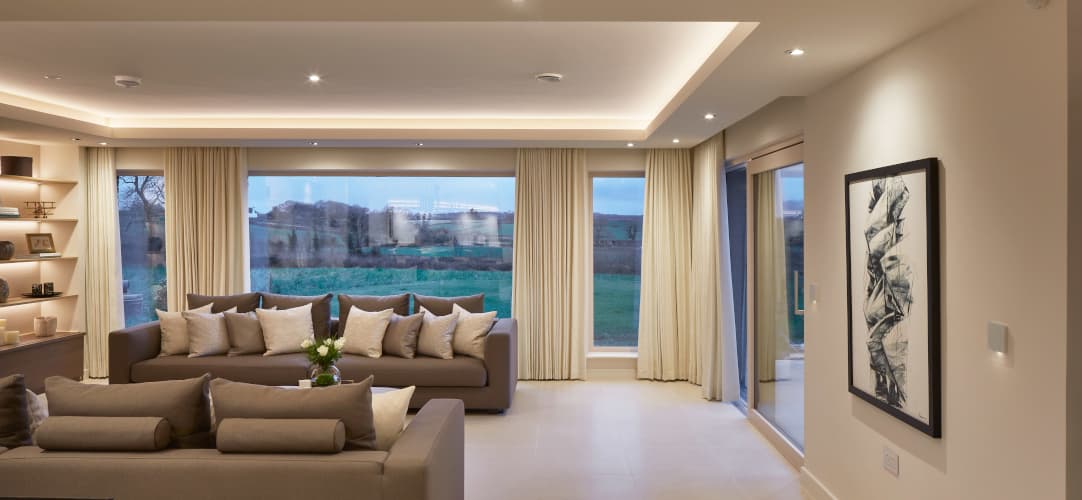
Using LED Strip in a Layered Lighting Scheme
A good lighting scheme balances ambient, task and accent lighting to create a multi layered visually stunning space. Here’s how LED strips can work with other lighting across any of these layers to really add a wow factor in your next installation.
It’s one of the most versatile lighting sources available; you can cut it to length and specify and install it in almost any application. As the technology evolves you can use it in far more ways than may realise.
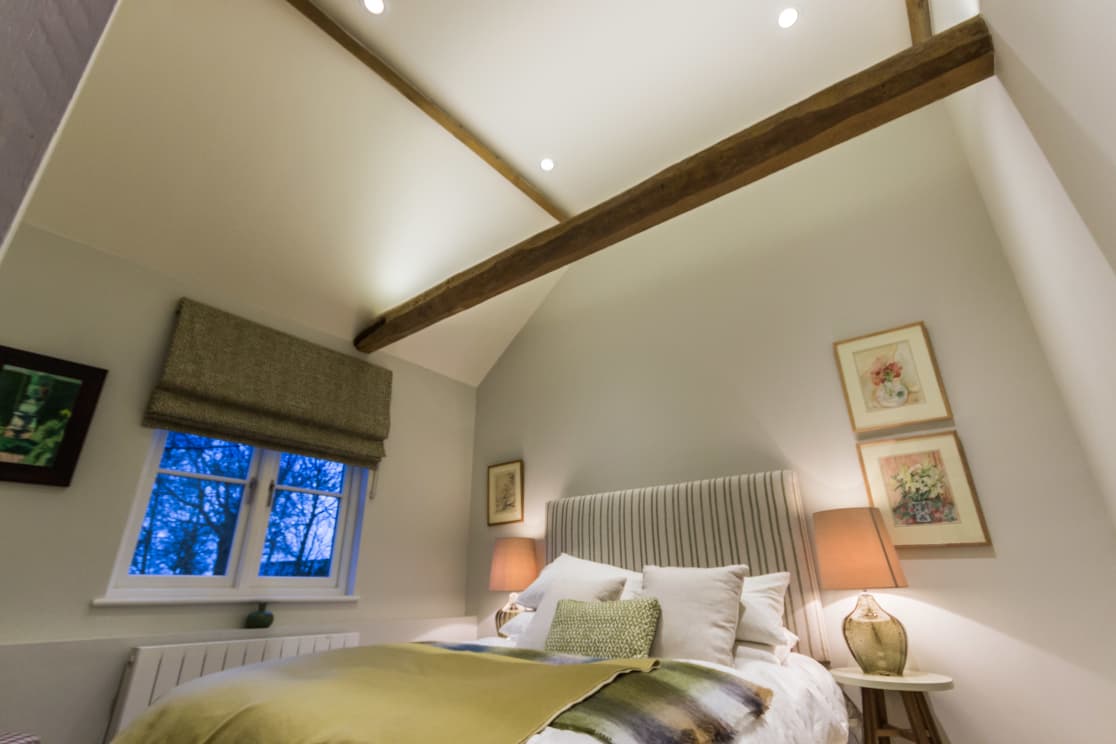
Good Lighting Design
Your customers will often ask you to install general or ambient lighting. While this provides background illumination, if it is used on its own then they will end up with a flat and uninteresting lighting scheme.
Increasingly customers understand that lighting is part of the overall look and feel of a room and want to use it to create the right atmosphere in their spaces. This gives you an opportunity to suggest and win extra business while creating a good reputation for your business.
Adding accent lighting highlights areas of interest and provides points of focus to draw the eye. In addition, they may need extra lighting for specific tasks in a room.
Used together with a bit of know-how, these three elements will create a sophisticated atmosphere that will bring any space to life.
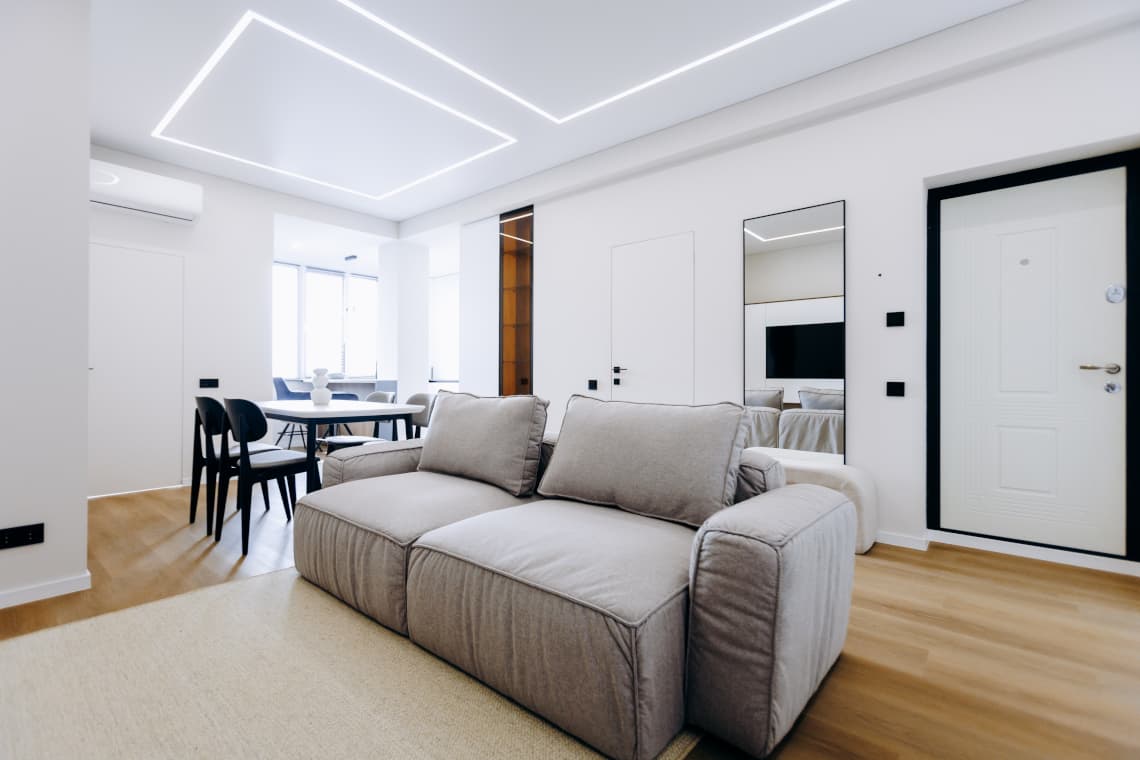
LED Strip in General Lighting
A big advantage of LED strip for general lighting is that you don’t need to penetrate the ceiling, so it leaves a very clean smooth finish. It’s a great choice for customers who want a minimalist look and is a very practical option for concrete ceilings and for heritage buildings.
If you install it as general lighting, you will direct the light onto the ceiling or the walls. This spreads the light to provide an even, soft illumination with no uncomfortable glare for the occupants.
This makes it a great choice for ambient lighting, but you need to make sure that you provide enough illumination. While this will vary according to how people use a space, you will need to specify LED strip that has a far greater lumens output than you would use for accent lighting. You also need to consider the colour of the ceiling, the lighter the better as this will reflect more light downwards.
For domestic installations we generally recommend something that produces 1500 lumens or more per metre for general lighting, such as our 48092 strips that are rated at 14W/m and produce 1620 lumens per metre. You can of course have higher outputs for more illumination, but we think that this strikes a good balance.
We find that customers like to use it as general lighting where they want to relax such as in their living room or bedroom, but you can use it in any room to create a subtle but stunning affect.
For more about LED strip in general lighting read our blogs “When to use LED strip for primary lighting” and “How to specify LED strip for residential primary lighting”
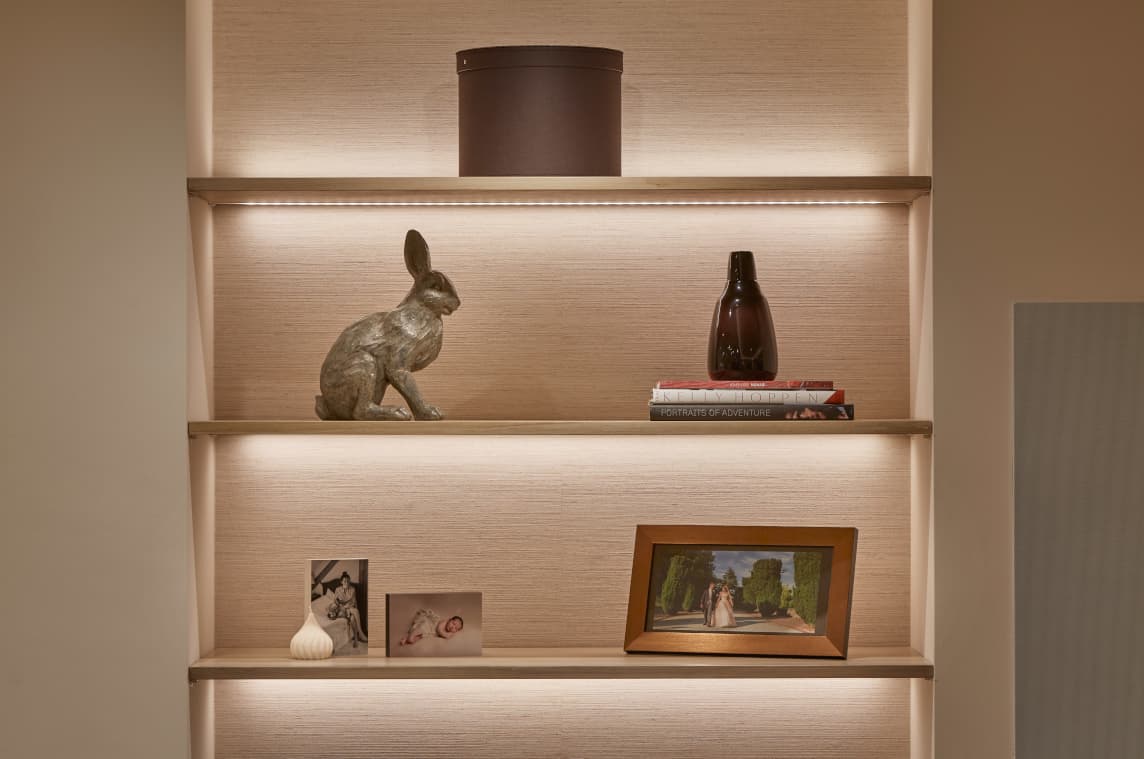
Using LED Strip for Accent Lighting
Customers use accent lighting to draw the eye. It adds drama and focuses attention to add that “wow” factor to a good design. LED strip lighting is a great way to draw attention to a linear highlight in the room while remaining hidden from view,
Here you can work with your customer to frame artwork and mirrors or draw attention to architectural features such as alcoves or columns.
You can also install it in areas to make a bolder statement. Used along stair edges it will draw the eye and placed beneath shelves or cabinets it will create soft glow that adds a modern and luxurious feel.
For the right application LED strip provides a very flexible source for accent lighting because you can cut it to length and it is simple to install.
For more on using LED strip for accent lighting read our blog “How to use accent lighting for that extra wow factor”.
Using LED Strip for Task Lighting
You can even use LED strip for task lighting where someone needs a more focussed illumination for when they need to do something. When used well they will deliver high lux levels with minimal glare.
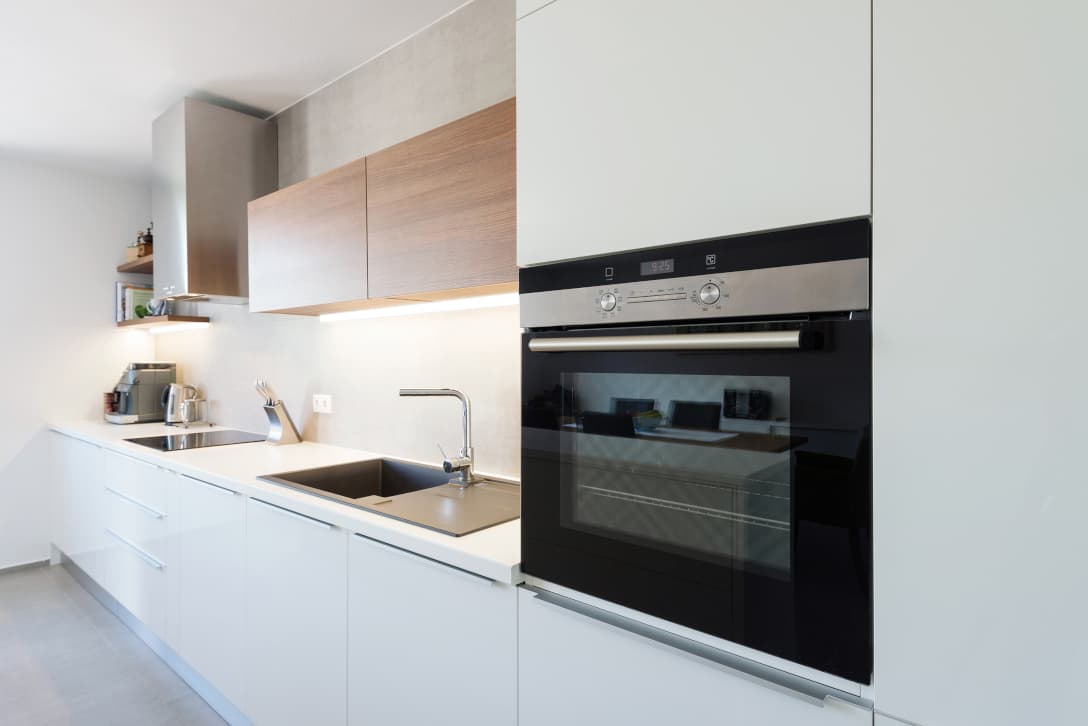
In the kitchen and other food preparation areas you can install them under cabinets to provide light in food preparation areas. You can use them to frame mirrors in the bathroom for applying makeup or shaving and we have seen examples where they are in wardrobes so that your customer can select what they want to wear.
For some tasks LED strip lighting is ideal with options providing a very accurate colour representation of what you are looking at. This is measured by the colour rendition index (CRI). For most applications, a CRI >80 is fine, but where you need to judge a true colour accurately then choose a LED strip with a CRI>90.
Correlated colour temperature (CCT)
Like most LED lighting you can specify different colour temperatures using LED strip depending on what you are lighting. A warmer lighting with a low CCT of 2700K is more relaxing and will help make wood or warmer coloured decoration glow. Whereas a cooler temperature of 4000K or higher will aid concentration and help cooler colours such as white, blues or greens pop.
For more about how to use colour temperature in your lighting scheme read our blog “Correlated colour temperature lighting – a complete guide.”
LED strip lighting is an extremely versatile light source. It is simple to install, and you can cut it length or extend it to exactly match what your customer wants to achieve. Pair it with other luminaires to add a real sophistication to your next installation. Whether you use it for general, accent or task lighting it can transform a design for that extra wow that your customer is looking for.
Articles you may also like
These are articles we recommend that you also mind find interesting
Be the first to know the latest updates
Subscribe to our newsletter!
