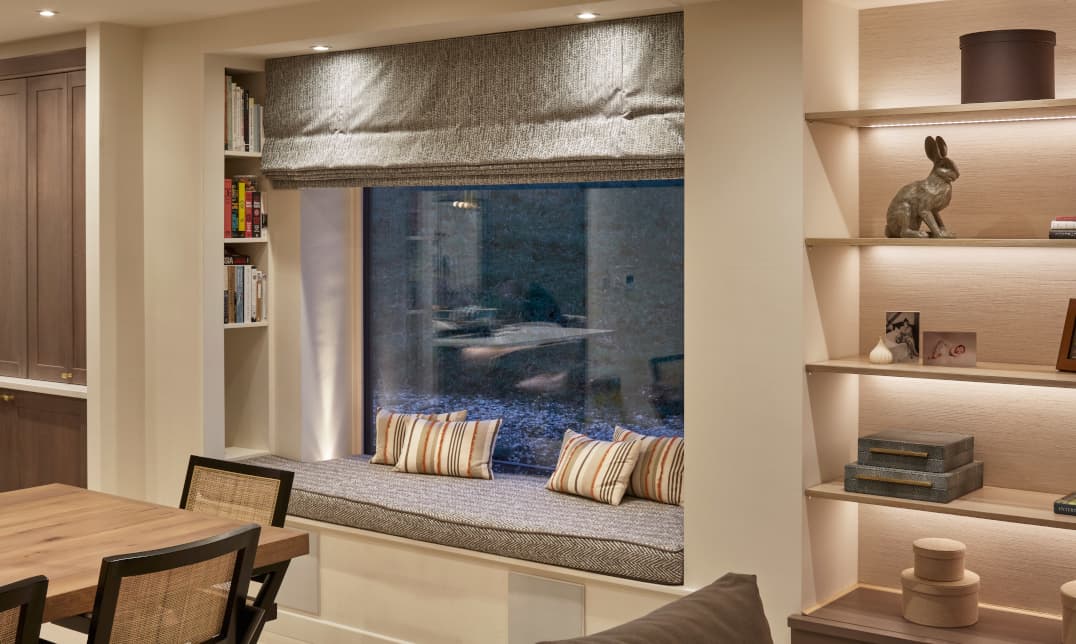
How to use accent lighting for that extra wow factor
Understanding how to use accent lighting is one of the easiest ways to add real value to a customer’s installation. It will enhance your reputation so that you are seen as far more than “just an installer.”
While you may be asked to install general lighting using downlights, pendants or panels, accent lighting will add depth, mood, and interest. Together with task lighting it transforms a flat lighting scheme into something with a real “wow” factor. If you want to impress your customer and win more word-of-mouth business, then read on.
Creating layers of light
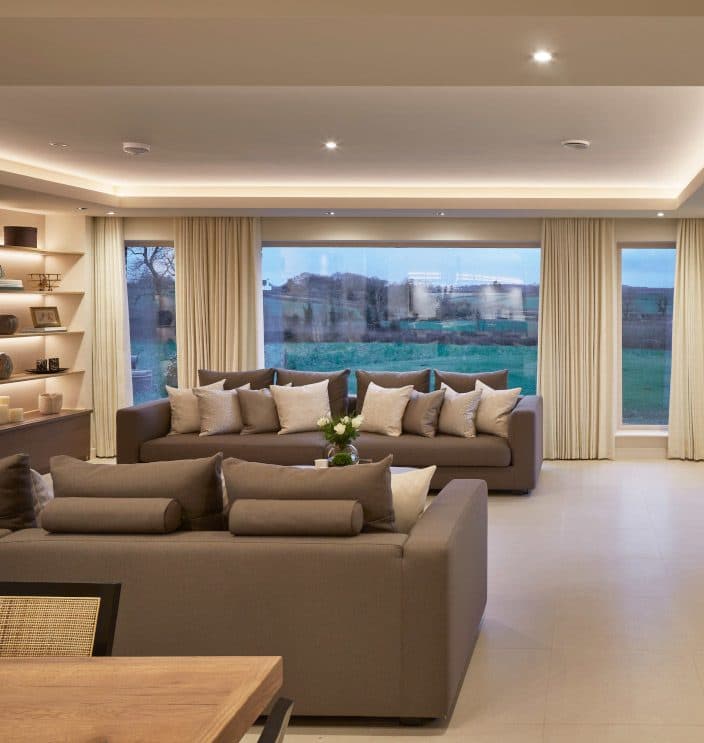
A great lighting scheme uses layers of light to create the right atmosphere for a space. It combines general or ambient lighting with task and accent lighting to create a visually interesting whole.
While task lighting will enable them to complete a task, whether that is working at a computer or preparing food, accent lighting will add interest to a room.
Rather than simply make a room bright, you need to step back and work with your customer to create a look that will impress them and visitors. It’s worth remembering that it’s not just about adding more light but considering where to use it and what to leave in shade. A common mistake it to overdo a scheme, which will ruin the effect that you and your customer are trying to create.
Use accent lighting to:
Think about creating bright focal areas, darker zones to add depth and soft background lighting.
Where to use accent lighting
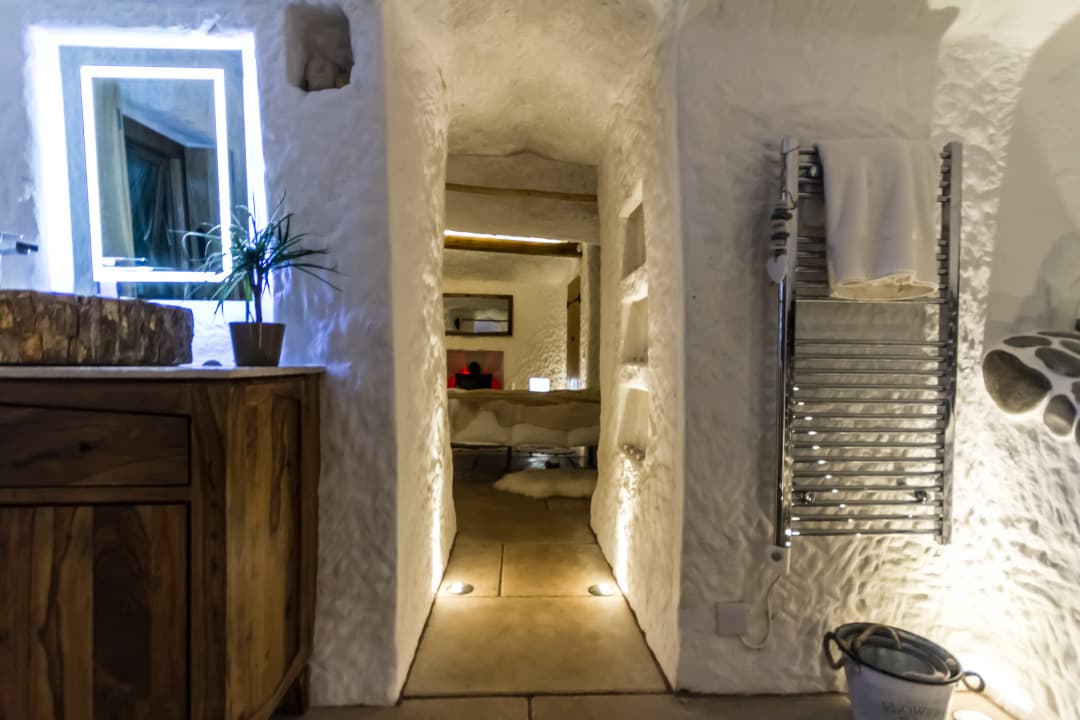
When you walk into a room instead of looking at the ceiling consider what should stand out. Talk to your customer and ask them how they want a room to feel and what do they want people to notice when they walk in.
Remember it’s about contrast, so adding too much lighting will destroy what they are trying to achieve. Instead prioritise and pick two or three features that they want to highlight. These might include:
Top tips for accent lighting
You want to see the effect of the lighting but not the source, so the lighting either needs to be hidden from view or directed at the object to avoid glare.
For artwork and sculptures use adjustable spotlights or picture lights to direct light where it is needed. A narrow beam angle will create drama.
Think about using uplighters or downlighters to emphasise architectural details like exposed brick, textured walls, columns, or interesting ceiling designs.
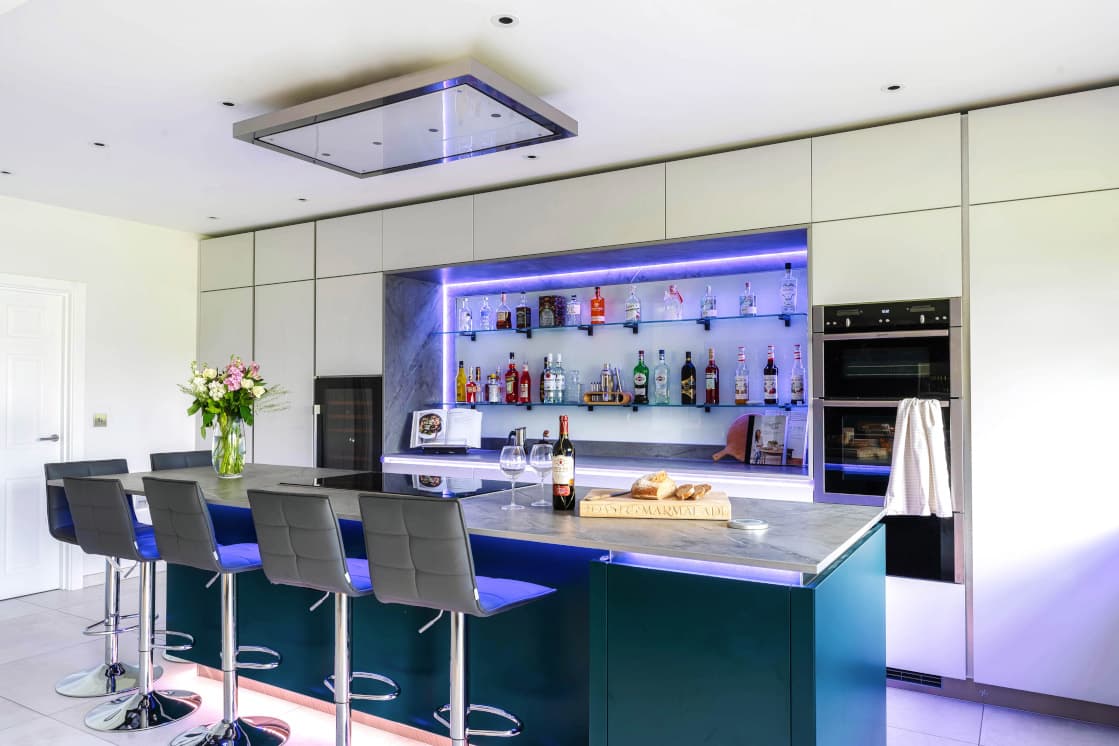
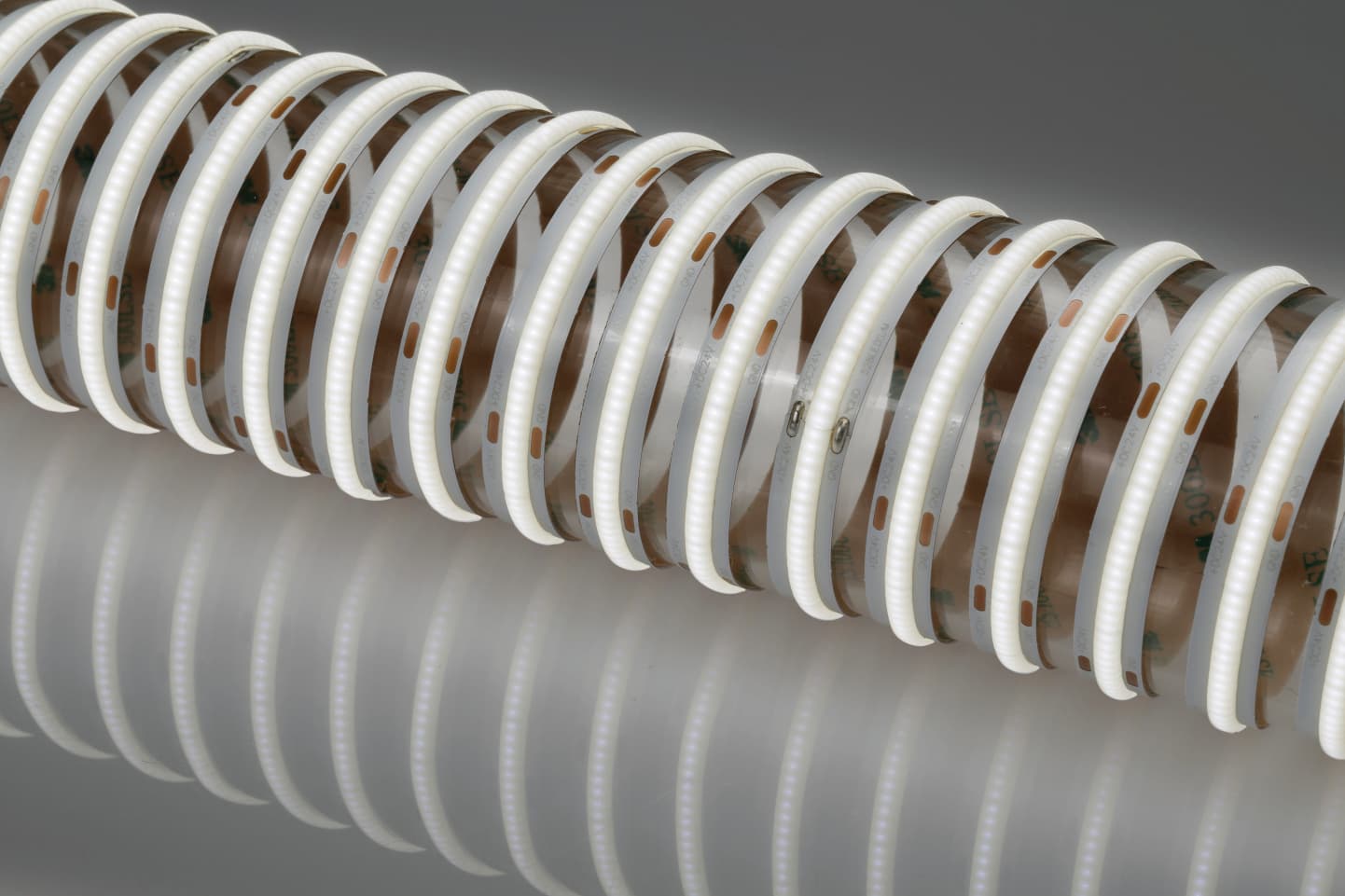
For an easy upgrade, which is simple to install and will add a touch of sophistication to any space add LED strips to shelves, cabinets, wardrobes or even stairs. These offer a soft light and emphasis any linear features in a room.
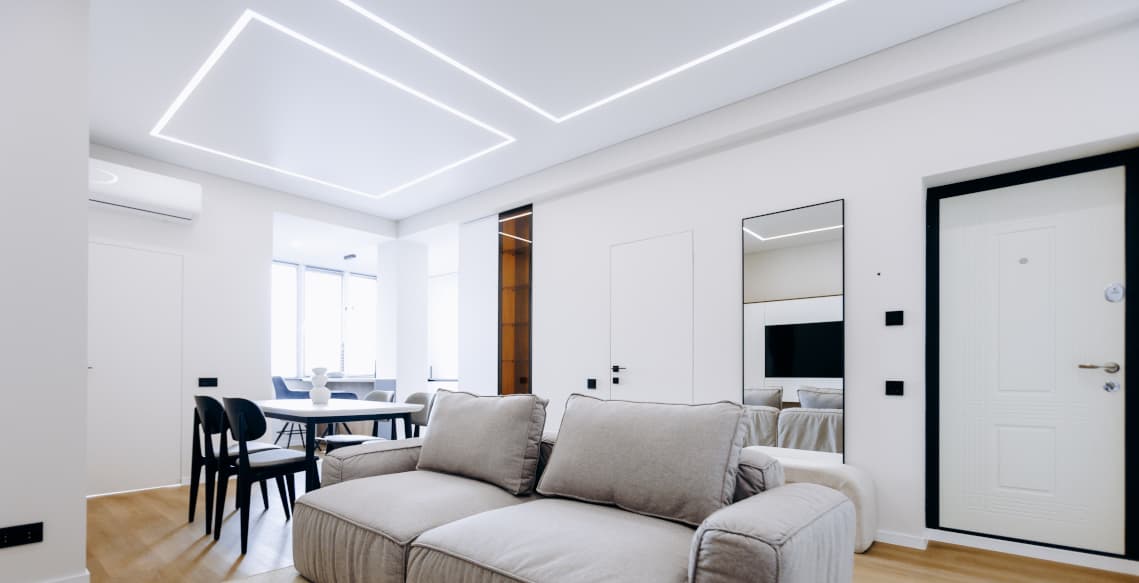
Taking this a step further hiding LED strip offers a soft diffuse light that creates atmosphere for a sophisticated feel in any room. You can use it in ceiling coving, headboards or behind furniture. Take a look at our blog “Using LED strip in a layered lighting scheme” for inspiration on how to use this versatile product.
To emphasis texture wall grazing is another useful trick to have up your sleeve. If your customer has a brick or stone wall, or wooden panels you can help emphasise this area by installing fittings close to the wall. This creates light and shadow to emphasis texture.
Another option is wall washing. Here you place spotlights a few feet away from the wall to create a soft even glow that will smooth out imperfections and make a room feel larger.
Other factors to consider
Your customer will need to control their accent lighting so you should recommend separate switching and or dimming. If they have the budget, then more sophisticated control systems allow them to consider setting different lighting scenarios depending on what mood they want to create in a room.
And because you use accent lighting to emphasise features it’s worth considering the colour temperature of the lighting. For warmer coloured features such as oranges or reds or for wood a warmer correlated colour temperature (CCT) of 2700K or even 2200K will help make it glow. If you are highlighting cooler colour temperatures such as blues, greens or white then recommend a higher CCT of 4000K to make it even more vibrant.
And if you are lighting artwork then the colour rendering index (CRI) may be important. For most lighting, a CRI of more than 80 is fine, but where you want a very accurate representation of true colour then choose a source that has a CRI of greater than 90.
If you want to create a name for yourself then a great way to do it is to elevate your next lighting installation. A few well-placed suggestions will set you apart from your competition to win more and higher value business. Adding accent lighting in the right place is a simple way to improve your customer’s lighting. Use it with ambient and task lighting to produce sophisticated multi layered lighting.
Articles you may also like
These are articles we recommend that you also mind find interesting

Be the first to know the latest updates
Subscribe to our newsletter!
