Downlights, with their sleek contemporary look, are an increasingly popular choice to provide the general or ambient lighting in a room. But how we use rooms differ and this will affect how much lighting your customer will need.
So how you get the specification right for your next installation?
What light level do you need?
CIBSE and other sources provide some guidance on what light levels a room needs but use these as suggestions for your customer and chat to them to find out how they want to use a room.
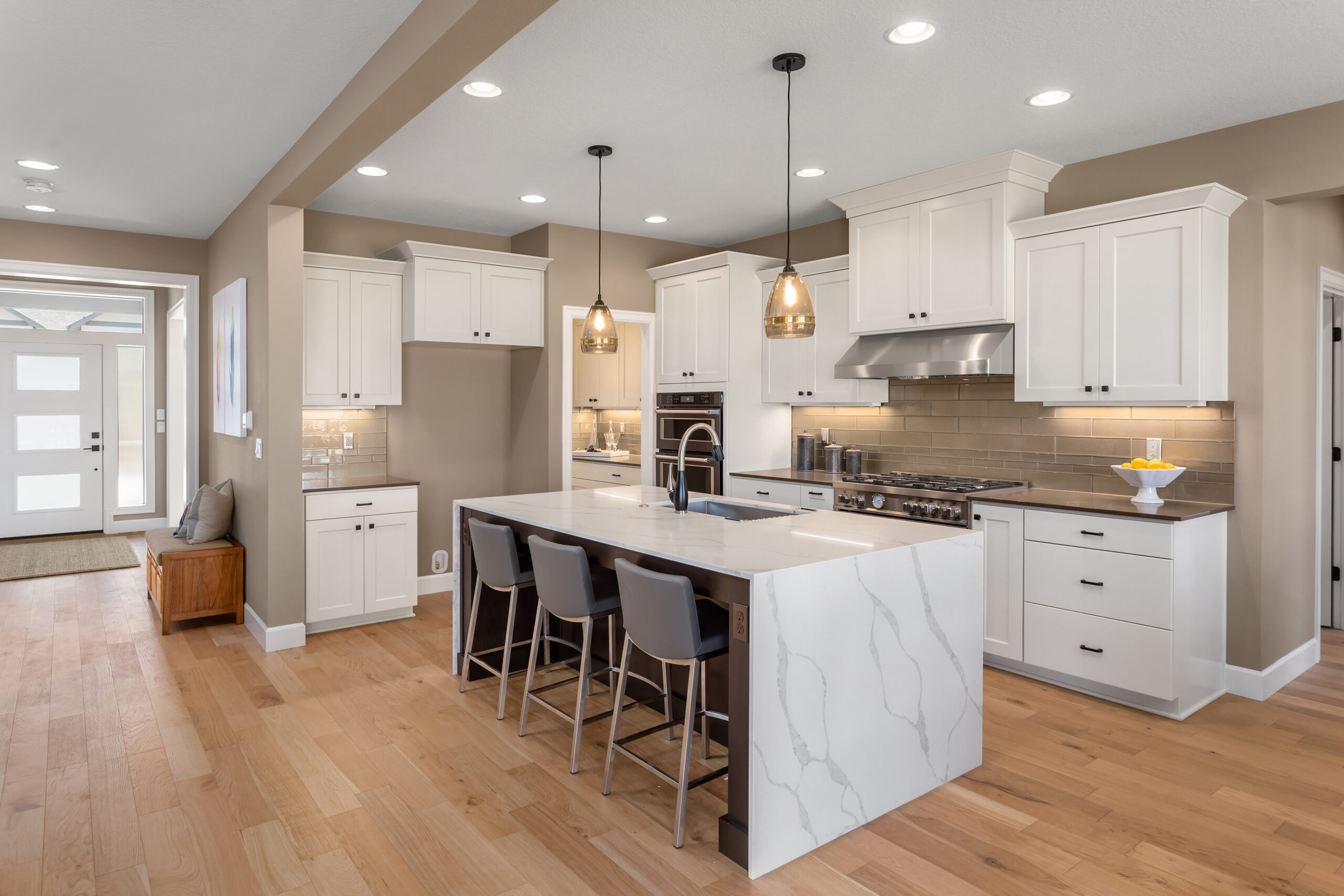
Some spaces in a home are for relaxation such as the living room and a bedroom, while others like kitchens and home offices are more task orientated and need more light. But even this will vary, in a kitchen diner for example, your customer might want higher lighting levels for food preparation areas but lower or dimmable lighting where they eat and entertain.
And we should not forget that a good lighting design supplements ambient lighting with additional task and accent lighting as part of the overall design. And that other factors such as the colour temperature of the lighting are an important factor – see our blog “Correlated colour temperature – a complete guide”
Even with these caveats, the CIBSE guidance on recommended lux levels is a good starting point.
Room/ Area Typical Lux Level
Living Room 100-200 lux
Kitchen (general) 300-500 lux
Kitchen (worktop/task) 500-700 lux
Bathroom 200-300 lux
Bedroom 100-200 lux
Hallway / landing 100 – 150lux
Office /study 400 – 500 lux
Spacing and beam angles
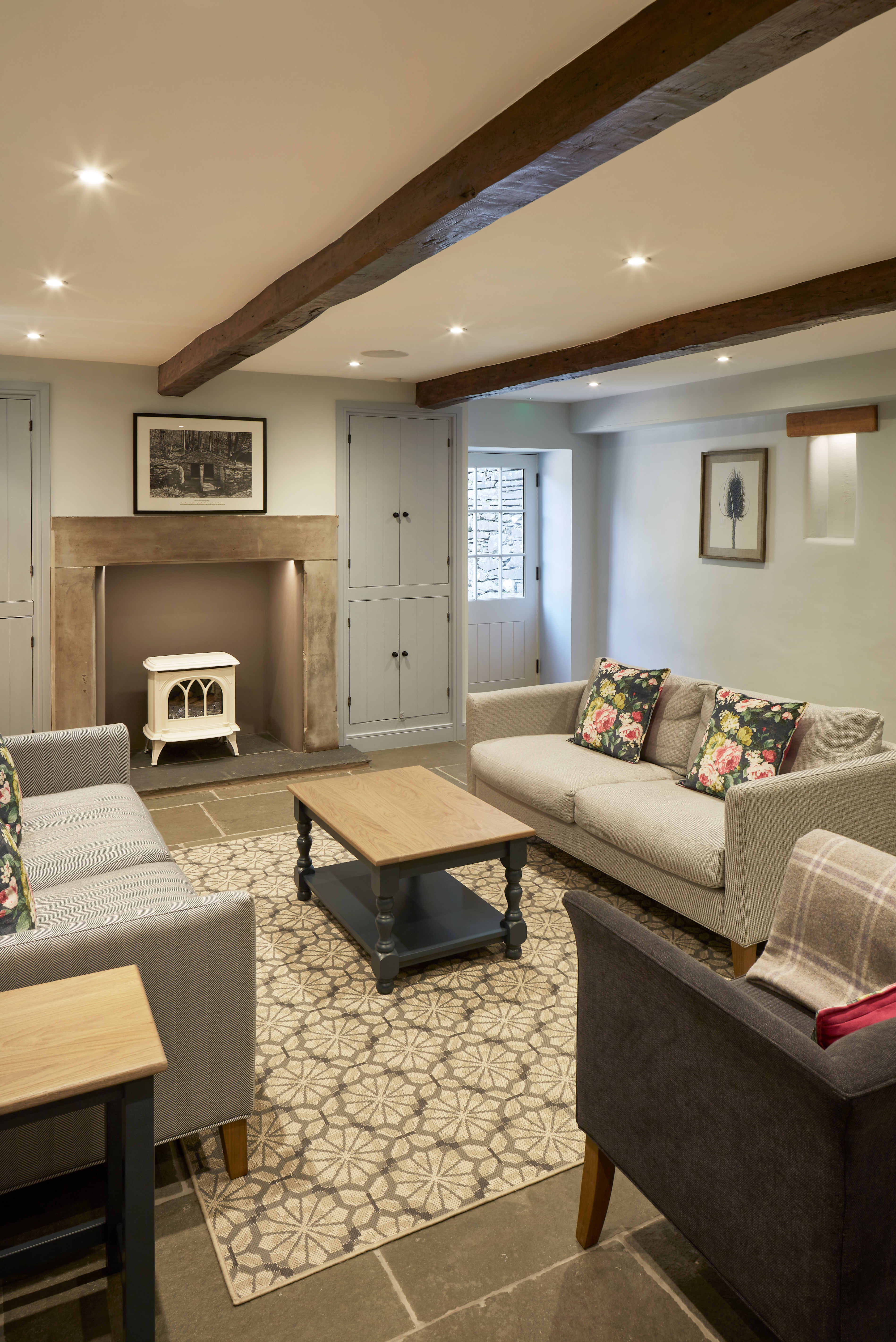
For general or ambient lighting, you need to aim for even coverage and avoid leaving any dark corners.
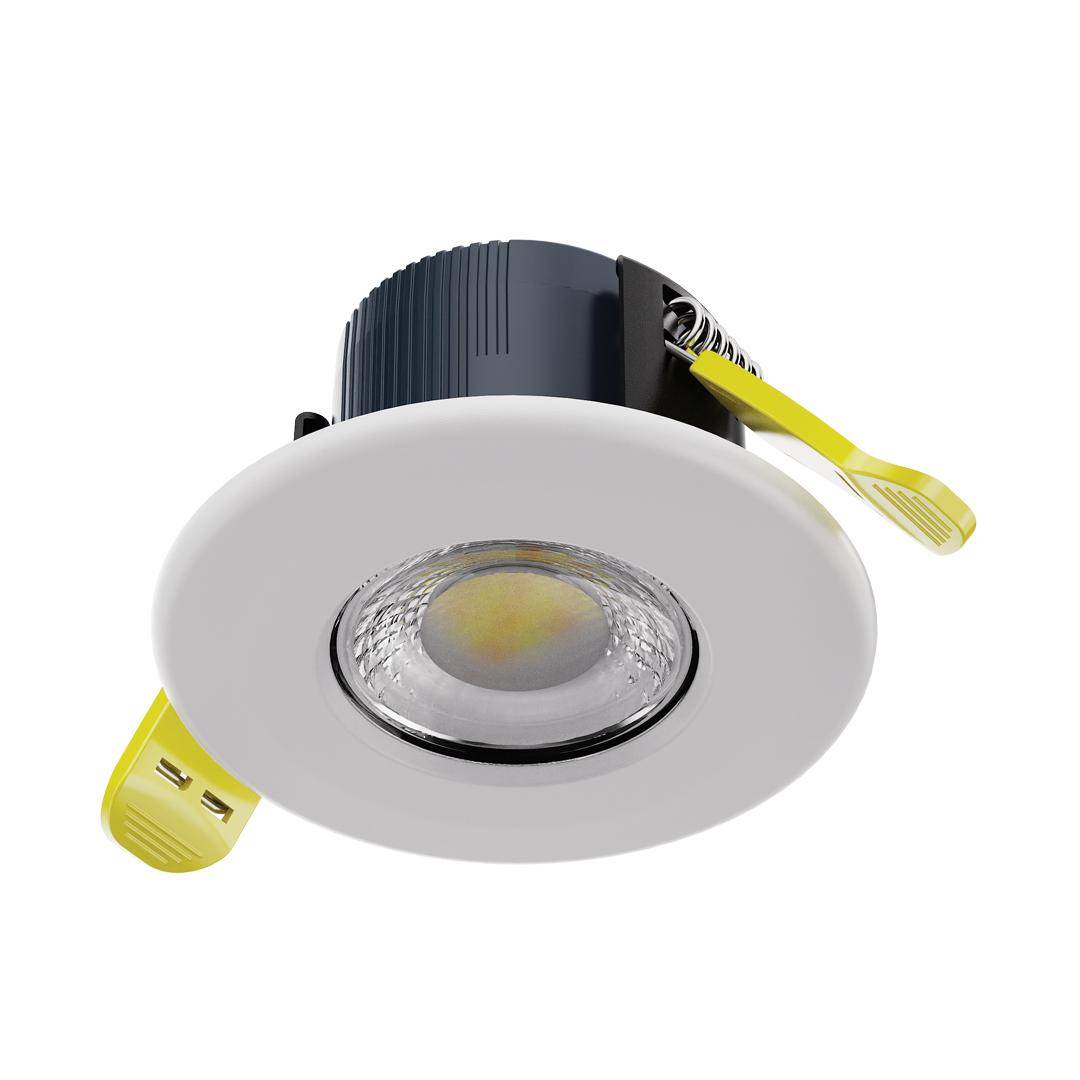
The beam width of the fitting will determine what space each one lights. The H2 CSP fitting that we used in the example above has a beam width of 55o which is ideal for general lighting. A beam angle of 20-30o is generally used for accent or task lighting to highlight an area, or perhaps to focus on artwork, and you would use a wider angle of over 60o for very wide area coverage, if there is a low ceiling for example.
You may suggest that your customer needs more light over food preparation areas, so consider using directional downlights or additional spotlights in these areas.
Wattage switchable fittings for flexibility
Some rooms or areas are better with less light. People want to relax in a living room so light levels of 100 to 200 lux is more normal. And even in a kitchen diner you may want less light in the eating area where you want to relax and socialise than in the food preparation areas.
This is where wattage switchable fittings allow you to change the light levels while still using the same fitting. Using our H2 CSP fitting for example you could choose the lower setting of 460 lumens instead of 780 lumens. Using the example of a kitchen diner, you can use the same fittings across the room but offer the lower light levels for the entertaining space and the higher lumen output for food preparation areas.
Other lighting factors to consider
It’s not just the light level that you need to consider from downlights. A great lighting installation will also consider the correlated colour temperature of the light produced by a fitting.
Typically, this can vary from a very warm white light of 2200K to a cooler white light of 4000K. Generally higher colour temperatures are better for concentration, while a warmer light will help people relax.
A great lighting installation will consider this. So, you may choose 3000K for a kitchen, 4000K for a home office and 2200K for a bedroom. Couple this with the lighting levels suggested in this blog and you are well on your way to delighting your customer. Read our blog “Correlated Colour Temperature – A Complete Guide” to find out more.
And you often don’t even have to carry different downlights for different applications. Our H2 CSP range will allow you to switch between four different colour temperatures as well as altering the lumen output, so you can exactly match the right light for the space that you are lighting.